

What does a multiple-choice quiz actually catch, and what does it miss?
A multiple-choice quiz tells you whether a student can pick the correct answer out of a short list of options. It does not tell you whether that student could produce the same answer from scratch, or explain why it beats the choice next to it. That distinction is the heart of Socratic questioning vs quizzing: recognizing an answer and explaining it are two different skills, and a quiz score alone cannot tell you which one you are looking at.
Picture a stack of quizzes graded on a Friday afternoon, and the relief of a class average in the mid-80s. That relief is usually earned, but sometimes it hides a coin flip. Edutopia points out that multiple-choice items often include distractors easy to eliminate through pattern recognition rather than content knowledge, so a fair share of correct answers are guesses wearing a passing grade.
Why can a student answer correctly without understanding the material?
Recognizing a correct answer and recalling one unprompted draw on different mental processes. A student who has forgotten how photosynthesis works can still eliminate two silly distractors and narrow the guess to a coin flip. Get enough of those right and the quiz says mastered. It was not.
The gap shows up in the data too, outside K-12. A 2023 Cureus study comparing multiple-choice and short-essay questions on identical content found lower-achieving students scored 15 to 30 percent higher on the multiple-choice version. That was a medical-school study, not a K-12 one, so treat the number as illustrative, not a hard K-12 statistic.
The underlying mechanism, recognition inflating scores for students who have not fully learned the material, does not stop at the exam room door. It shows up anywhere a format lets students narrow down an answer instead of building one up.
Socratic questioning vs quizzing: what does one follow-up question catch that 10 quiz items do not?
Devon Osei teaches seventh-grade math, and last month gave a five-question quiz comparing fractions, deciding whether 3/4 is bigger or smaller than 5/6. One student, Jayden, got four of five right. On paper, that is a B, maybe a B-plus.
Osei picked one correct answer and asked Jayden to explain it out loud: "Which is bigger, and how do you know, without converting to decimals?" Jayden froze. He had been using a shortcut: bigger bottom number means smaller piece, and it worked on most pairs on the quiz. He had never found a common denominator, and had no real model of what a denominator does.
The quiz could not see that. One spoken follow-up did, in under a minute.
That is the difference between quizzing and Socratic questioning in the classroom: a quiz checks whether the answer is right, a follow-up checks whether the reasoning is real. 10 items answered correctly by shortcut tell you nothing new. One good follow-up, aimed right, tells you almost everything.
How do you turn a quiz into a quick oral check for understanding?
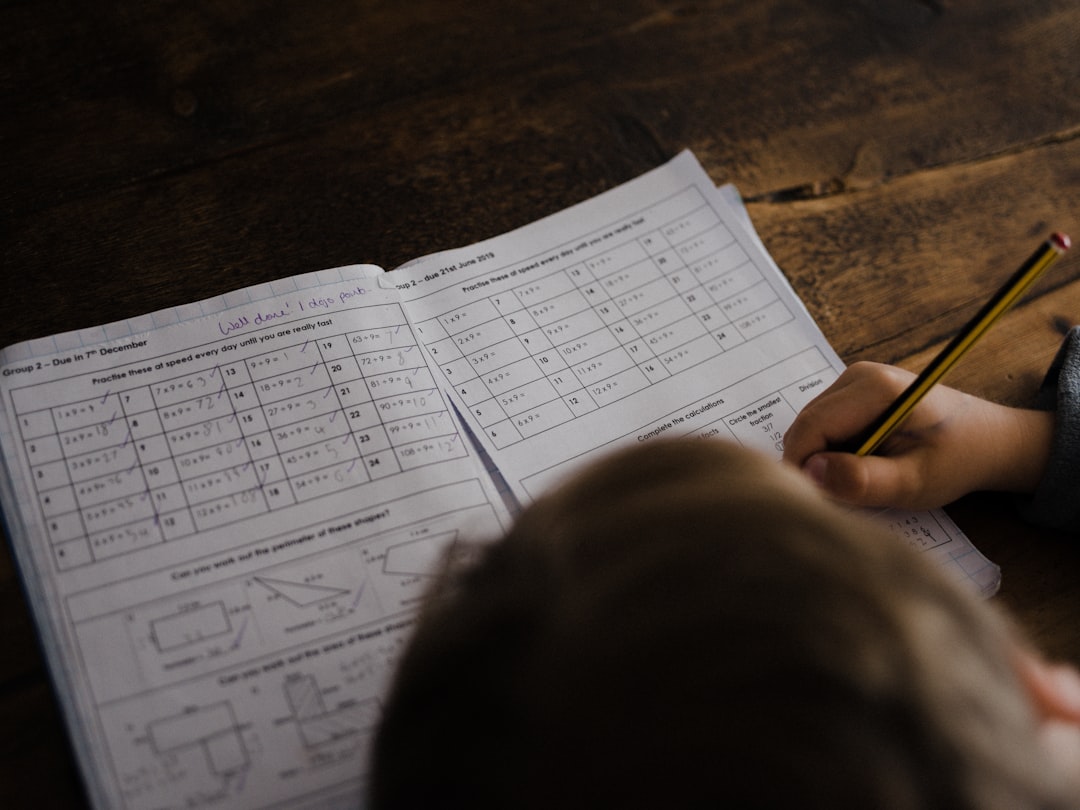
You do not need to interview every student on every item, not on a Tuesday with 32 kids and a packed pacing guide. What works better is picking a few answers worth double-checking out loud, based on how the student reached it, not just whether they got there. Here is a rough checklist for reviewing a graded quiz, the kind of thing some teachers call a quiz autopsy:
- Did the student eliminate down to two options and then guess, rather than working the problem out?
- Is this a question type where a shortcut could produce the right answer without the underlying concept, the way Jayden's rule did?
- Did the student answer this item noticeably faster or slower than similar items on the quiz?
- Would the answer survive if you swapped the numbers or names in the question?
A yes on any of those is a candidate for a 30-second spoken follow-up, not a re-quiz. This is roughly the instinct behind ArticulAI's adaptive probing: instead of scoring an answer and moving on, you ask one more question that adapts to what the student just said, and find out fast whether it is real understanding or just a good guess. Some teachers run this as a short check-in using ArticulAI, the same mechanism Osei used with Jayden, just not limited to the few students they can reach before the bell. The fuller case for why one follow-up beats a whole page of items is in how AI oral assessment works.
Is multiple choice ever the right call?
Yes. A well-built, low-stakes multiple-choice quiz is still one of the fastest ways to get a whole class doing retrieval practice, useful for memory even without testing deep understanding. Edutopia's research notes that frequent low-stakes testing helps students retain material, and that benefit does not depend on the format being a perfect measure of comprehension. Multiple choice also scales in a way a spoken follow-up to every student cannot, not in a 50-minute period with the class sizes most of us have.
The point is not to throw out the quiz, just to stop treating the score as the whole story. A quiz is a fine first pass. Whether the score means what you think it means is a separate question, one you usually only answer by asking one more, out loud.
If you want to see how this kind of follow-up question works for an entire class instead of the two or three students you have time to reach before the bell, see how ArticulAI's adaptive probing works.